Cloud, Infrastructure, and IT Modernization
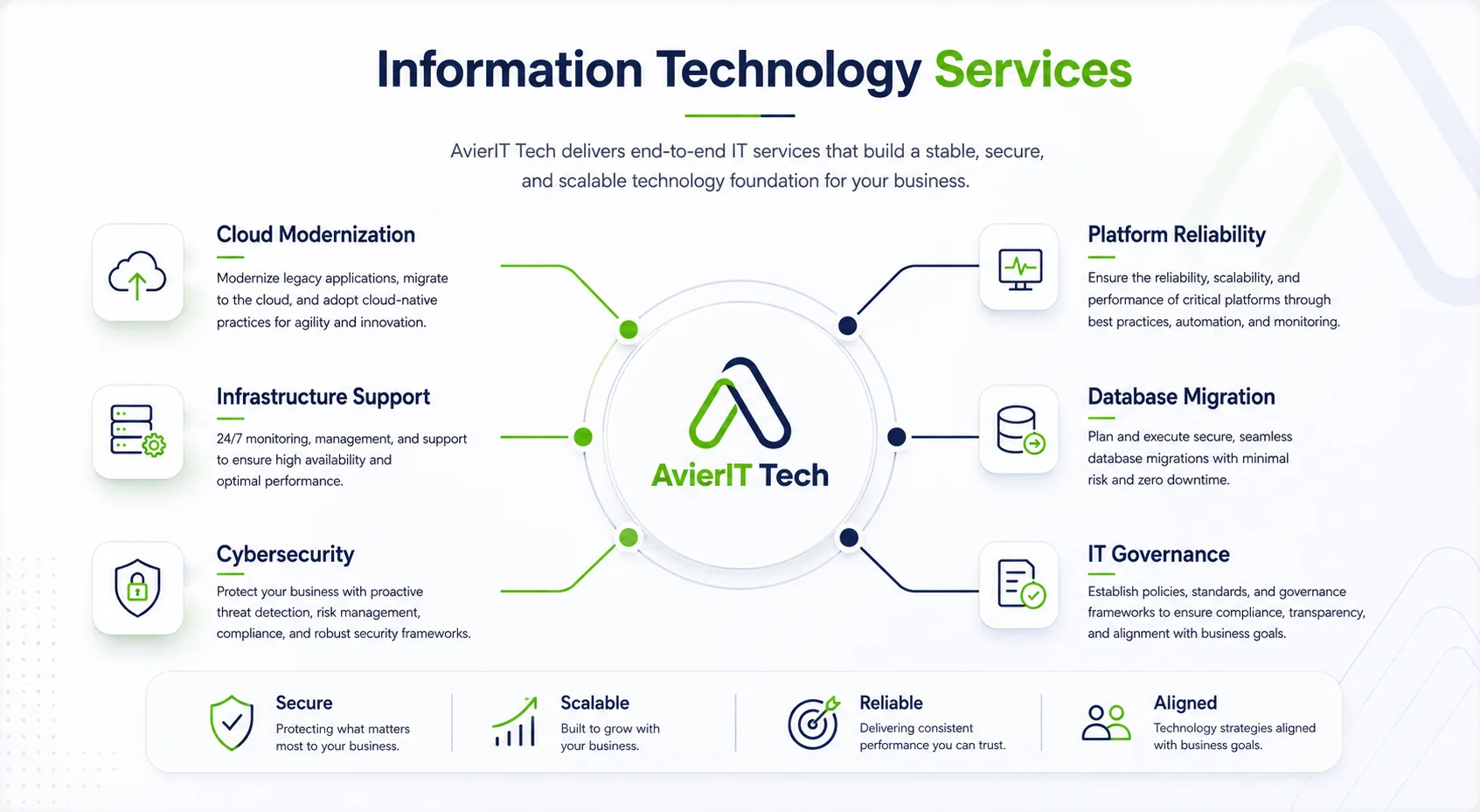
AvierIT Tech delivers IT services for cloud infrastructure, secure networking, platform support, database migration, and enterprise modernization so operations stay reliable as your systems evolve.
We design, migrate, secure, and support business critical IT environments, from cloud landing zones and endpoint posture to observability, recovery, and governance.
From managed IT services and database migration to automation, AvierIT Tech connects the core systems that keep delivery moving.
Smarter Technology. Stronger Business.
We architect and manage IT ecosystems that drive transformation. From digital infrastructure to cybersecurity and beyond, AvierIT ensures alignment wit your business strategy.
Talk to Our TeamInformation Technology Service Diagram
A structured visual summary of the page's core workflow, control points, and delivery focus.
Technology for a Better Tomorrow Sustainable IT
Reduce your carbon footprint with AvierIT's sustainable IT practices, energy efficient infrastructure, smart virtualization, and eco friendly hosting services.

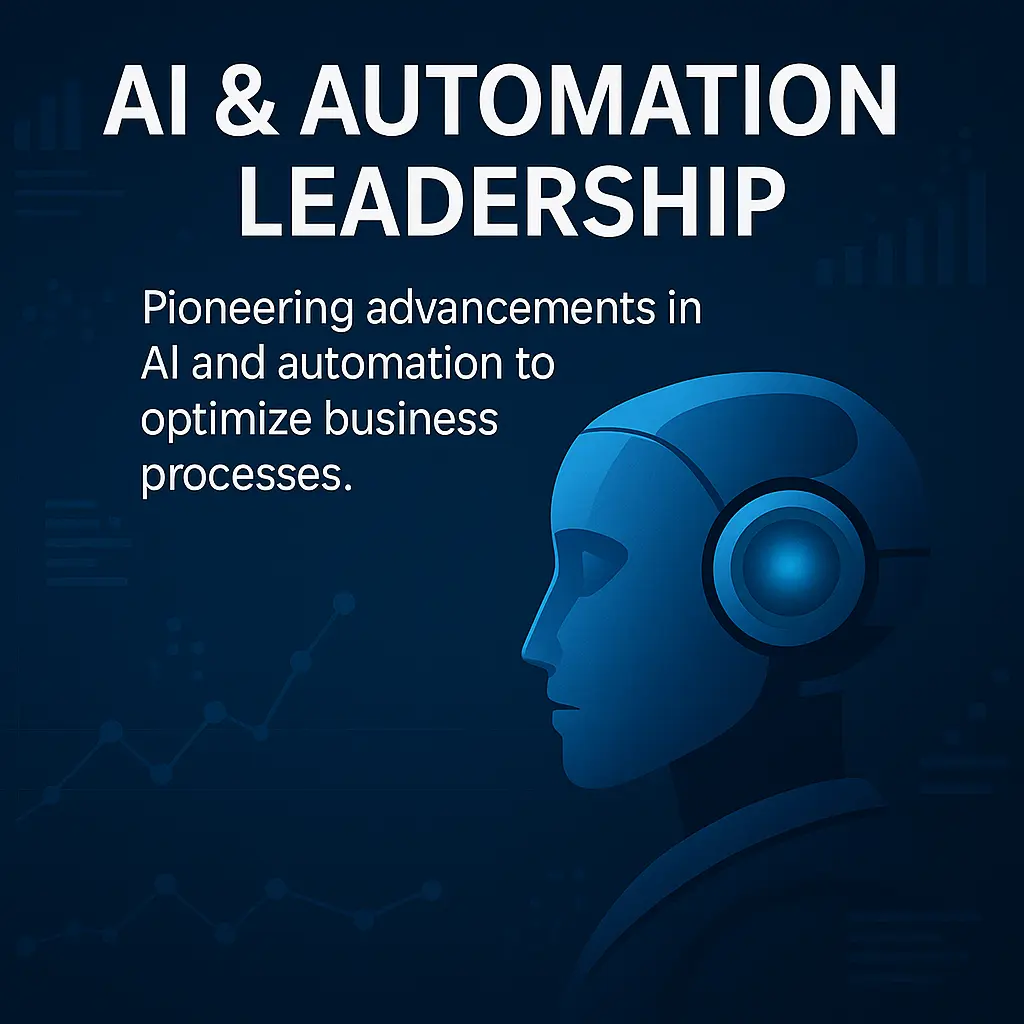
AvierIT delivers cutting edge solutions by integrating artificial intelligence, automation, and analytics into every layer of IT, helping businesses scale smarter and respond faster.
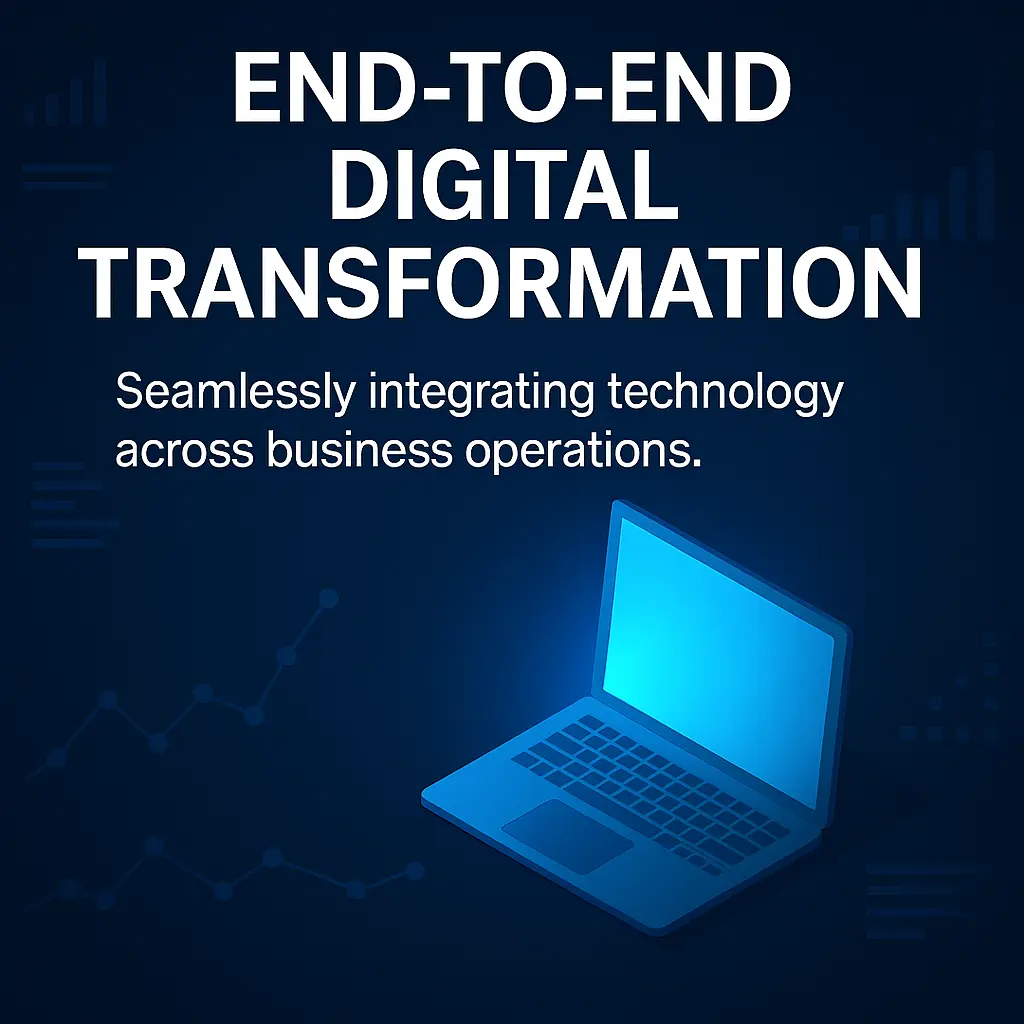
From modern infrastructure to secure cloud migration and tailored enterprise software, AvierIT provides full spectrum IT services designed to future proof business operations.
What We Cover Core IT Capabilities Across the Stack
Our information technology services are structured to support both foundational IT operations and business facing technology initiatives, so infrastructure, security, users, and data move together.
Cloud, Network, and Platform Operations
We design and operate resilient environments that keep systems available, observable, and ready to scale as demand changes.
- Cloud architecture, migration, and landing zones
- Server, network, storage, and backup planning
- Monitoring, alerting, and disaster recovery readiness
Governance, Hardening, and Compliance Support
Our teams help reduce operational risk with practical controls, security processes, and technology governance aligned to the way your business actually works.
- Access controls, patching, and endpoint security coordination
- Policy support, audit preparation, and compliance alignment
- Operational security reviews for cloud and on prem environments
Workplace, Data, and Application Support
We connect IT operations to day to day business performance through better tools, integrations, reporting, and end user support.
- Productivity platforms and workplace technology support
- Application administration and integration coordination
- Reporting, dashboards, and data flow improvements
IT Health Snapshot What Mature Environments Usually Improve First
Strong IT performance is not just uptime. Teams also need cleaner support flows, better control over change, and clear visibility into the systems that matter most to the business.
Operational coverage, alerting discipline, and environment ownership reduce avoidable outages and give teams more confidence during releases or infrastructure changes.
Patch routines, identity controls, backup validation, and reviewable operating processes help reduce risk without slowing daily work for internal teams.
When user support, infrastructure ownership, and application administration are aligned, request queues shorten and recurring issues become easier to eliminate permanently.
IT Operating Blueprint The Areas Clients Ask Us To Strengthen
Most engagements combine environment review, support stabilization, modernization planning, and the governance needed to keep improvements in place after the initial rollout.
Platform Visibility
Dashboards, inventory clarity, and service ownership definitions make it easier to see where performance issues, capacity constraints, and recurring incidents originate.
User Experience
Support models improve when request types, escalation paths, and business critical tools are mapped against what users actually depend on day to day.
Modernization Priorities
We help teams decide what should be optimized, migrated, retired, or rebuilt first based on risk, cost, operational friction, and business dependency.
Governance Rhythm
Review meetings, change controls, and measurable service targets give leadership a more defensible way to manage IT beyond reactive firefighting.
Assess
We review infrastructure, applications, access patterns, support gaps, and operational risks.
Stabilize
We address urgent reliability, support, security, and monitoring issues that are slowing the business down.
Modernize
We phase cloud, platform, workplace, and integration improvements around business impact and delivery readiness.
Govern
We set service review cadence, ownership, documentation, and continuous improvement checkpoints.
IT Engagement FAQs Practical Questions From Enterprise Teams
These are the common concerns we address when clients need help stabilizing, modernizing, or scaling their IT environment.
- Can you support hybrid environments with both cloud and on prem systems?
-
Yes. Many clients operate across legacy infrastructure, cloud platforms, third party tools, and internal business applications. We support hybrid models and help define the right operating practices across those environments.
- Do you only handle infrastructure, or can you support business applications too?
-
We cover both. In addition to infrastructure and cloud operations, we support application administration, integration planning, reporting, automation, and the processes needed to keep business systems dependable for end users.
- How do you approach modernization without disrupting live operations?
-
We usually phase the work. That includes environment assessment, risk review, dependency mapping, parallel planning, and staged implementation so teams can improve the stack without introducing unnecessary operational instability.
- Can your team work alongside our internal IT organization?
-
Yes. We frequently operate as an extension of an internal IT team, helping with backlog execution, specialist capability, platform support, project delivery, or service improvements while maintaining shared governance.